Placer County family court handles legal issues related to families, including custody, divorce, and support. It provides structured court services that allow people to file cases, resolve disputes, and follow the legal process within family law. The placer county family court plays a key role in the local legal system by handling matters that impact parents, children, and spouses. It deals with cases like child custody, visitation rights, and financial support, helping families reach fair outcomes through legal orders. The court sets clear rules and timelines so each case moves in an organized way. It creates a formal space where both parties can present their side. Judges review facts and make decisions based on law and evidence. This process helps protect rights and maintain balance in family-related disputes. It serves as a reliable path for resolving sensitive issues.
People can use the family court to file new cases, respond to legal notices, or check updates on ongoing matters. Court services include filing forms, attending hearings, and using mediation programs for custody agreements. Many users visit self-help centers to get basic support with paperwork and procedures. The system allows users to track case progress and view scheduled hearing dates. Each step follows a clear process, which keeps things simple to follow. These services support families at every stage of their case. This makes it easier to move through the legal process with clarity and confidence.
How to Search Placer County Family Court Cases
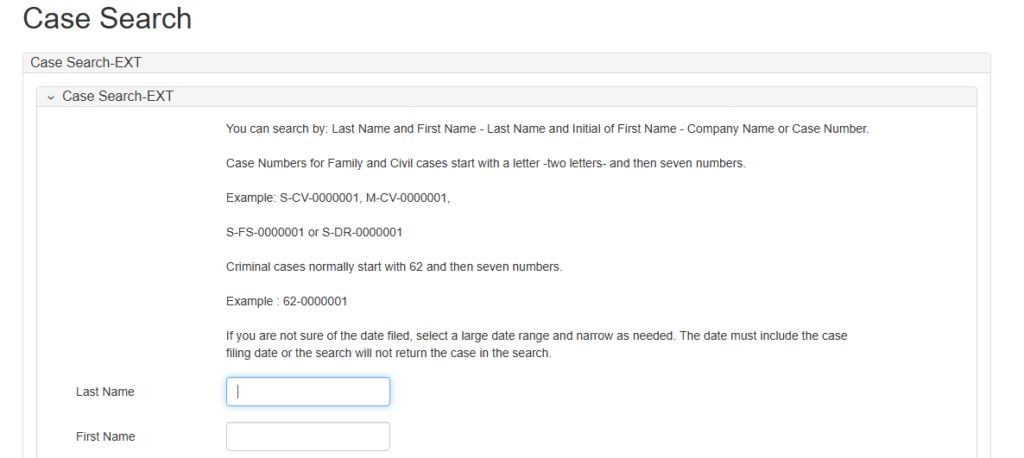
Placer County family court case search can be done online through the official court portal using a name or case number. Users can check court records, case status, and hearing details without creating an account. Searching placer county court case search records is simple through the official system provided by the court. The Superior Court offers an online case lookup tool where users can find family law matters like custody, divorce, and support cases. This tool helps users track updates, confirm hearing dates, and review basic court records from any device.
Official Case Search Portal
Use the official link below to search family court cases directly: https://webportal.placerco.org/ecourtpublic/?q=node%2F48&
The portal allows public searches for family, civil, probate, and other case types.
Steps to Perform a Case Lookup
Follow these steps to check case status online:
- Enter the party name (first and last name)
- Or enter the case number (if available)
- Select a filing date range
- Click search to view results
What Information You Can Find
The online portal provides key details such as:
- Case status and updates
- Hearing dates and court calendars
- Parties involved in the case
- Basic docket entries
Overview of Placer County Family Court
Placer County family court manages legal issues involving families, such as custody, divorce, and support. It provides a range of services that help people resolve disputes and follow the rules set by the legal system. The Placer County family court services operate within the county’s Superior Court system and focus on family law matters. This part of the family court system is often called a domestic relations court, since it handles cases between spouses, parents, and children. The Clerk Of Court plays a key role in this process by managing filings, maintaining case records, and assisting both the public and court staff with procedural requirements. The court has clear court jurisdiction, which means it only hears cases related to family issues like custody, support, and protection orders. Judges, clerks, and court staff work together to manage filings, review cases, and issue legal decisions. Each case follows a set structure so that all parties receive fair treatment. This organized system helps maintain order and consistency across family law cases.
Court Structure and System
The court structure is designed to keep every case organized and fair. Each role within the system supports a smooth legal process from filing to final order. Clear responsibilities help reduce delays and confusion for users. This setup allows the court to handle many family law cases efficiently.
Here it is:
- Judges – who hear cases and issue orders
- Court clerks – who manage documents and filings
- Mediators – who help resolve custody and visitation disputes
- Self-help staff – who assist with forms and procedures
Types of Services Provided
The court offers a wide range of services to support different family law needs. These services guide users through each stage of their case. They help reduce stress by offering clear steps and support options. Many services are available both online and in person.
Here it is:
- Filing for divorce or legal separation
- Handling child custody and visitation cases
- Managing child and spousal support orders
- Processing domestic violence restraining orders
- Offering mediation and family support services
Who Uses Family Court
The family court serves a broad group of people dealing with personal legal matters. Each user comes with different needs, but the process stays structured and consistent. The court provides equal support for both parties in a case. This helps create balanced outcomes based on legal standards.
Here it is:
- Parents handling custody or support issues
- Spouses filing for divorce or separation
- Guardians seeking legal responsibility for a child
- People requesting protection from domestic violence
This court serves anyone who needs legal resolution for family-related concerns. Its structured process and available services help users take the right steps and manage their cases with clarity.
Types of Cases Handled in Family Court
Family court handles a wide range of legal matters related to family relationships, including divorce, custody, and support. It provides a structured process to resolve family disputes and issue enforceable legal orders. The family court acts as a central place where different types of family disputes are reviewed and decided. It covers issues between spouses, parents, and guardians. Each case follows legal rules, and judges review facts before making decisions. The court also works to protect children and support fair outcomes for all parties. Below are the main types of cases handled within this system.
Divorce Cases
Divorce cases are handled in divorce court, where couples legally end a marriage. The court reviews requests related to property division, debt, and financial support. It may also address child custody and visitation if children are involved. The process usually begins when one party files a petition for divorce. The other party receives legal notice and can respond. After that, the court may schedule hearings or encourage settlement discussions. Judges issue final orders that legally end the marriage and outline each party’s rights.
Child Custody Cases
Child custody matters are handled in child custody court, focusing on the care and wellbeing of children. The court decides where a child will live and how decisions about the child will be made. Courts often promote shared parenting when possible. Mediation services may help parents reach an agreement before a judge makes a final decision.
There are two main types of custody:
- Legal custody – the right to make decisions about education, health, and welfare
- Physical custody – where the child lives
Child Support Cases
Child support cases focus on financial support for a child’s needs. The court calculates support based on income, time spent with the child, and other factors. The court can review and modify support orders if financial situations change. This helps keep support fair and aligned with current circumstances.
Orders may include:
- Monthly payment amounts
- Health insurance responsibilities
- Payment of school or childcare costs
Domestic Violence / Restraining Orders
Family court handles cases involving domestic violence and issues restraining orders to protect victims. These orders limit contact and can require one party to stay away from the other. The court takes these cases seriously and often schedules fast hearings. These orders help protect safety and provide legal support during difficult situations.
Common types of protection include:
- Emergency protective orders
- Temporary restraining orders
- Permanent restraining orders after a hearing
Other Family Disputes and Matters
Family court also deals with other important issues such as guardianship and spousal support. Guardianship cases assign legal responsibility for a child when parents cannot care for them. Spousal support cases decide financial assistance between spouses after separation or divorce. These additional cases show how the court supports many types of family needs. Each case follows a clear process, helping people resolve legal matters in an organized and fair way.
Divorce Court Process in Placer County
Divorce court in Placer County follows a clear family legal process that starts with filing forms and ends with a final court order. It includes steps like serving papers, attending court hearings, and reaching a settlement when possible. The divorce court process is part of the broader family legal process used to end a marriage through the court system. Each step follows set rules so both parties receive fair treatment. The process may involve legal separation, financial decisions, and child-related matters. Clear timelines and required documents help keep the case moving forward.
Filing for Divorce
The process begins when one spouse files a petition with the court. This step starts the legal case and sets the stage for all future actions. The filing spouse must provide basic details about the marriage, property, and any children. After filing, the other spouse must receive official notice through a process called service. This gives them a chance to respond within a set time. If no response is filed, the court may proceed by default.
Required Forms and Documents
Filing for divorce requires specific forms that support the case. These forms provide details the court needs to review the situation. Accurate and complete forms help avoid delays. Many people use self-help centers or online tools to prepare documents correctly.
Common required documents include:
- Petition for Dissolution of Marriage
- Summons
- Financial disclosure forms
- Child custody and support forms (if children are involved)
Court Hearings and Legal Steps
After filing and response, the case may move to court hearings. These hearings allow both parties to present their side. A judge reviews evidence and listens to arguments before making decisions. Some cases require multiple hearings, especially if there are disputes about property or children. In many situations, the court encourages both parties to reach a settlement before trial. Mediation services can help resolve issues without a full hearing.
Finalizing the Divorce
Once all issues are resolved, the court issues a final judgment. This document ends the marriage and outlines decisions about property, support, and custody. If both parties agree on terms, the process can move faster. If disagreements continue, the judge will make final decisions after reviewing all facts. This structured family legal process helps bring closure and legal clarity to both parties.
Child Custody Laws & Court Process
Child custody court decides how parents share rights and responsibilities for a child after separation or divorce. Custody laws set clear rules for decision-making, living arrangements, and visitation rights. The child custody court follows state custody laws to protect the best interests of the child. It reviews each case based on facts, family conditions, and the child’s needs. Parents can reach agreements on their own, or the court may step in and issue orders. The process includes filing a case, attending mediation, and going through hearings if needed. Clear legal steps help both parents understand their roles and responsibilities.
Legal Custody vs Physical Custody
Custody is divided into two main types, each with a different role in a child’s life. Courts may award joint custody, where both parents share responsibilities, or sole custody, where one parent has primary control. Many cases include a mix, such as joint legal custody with one parent having primary physical custody.
Key factors include:
- Legal custody gives a parent the right to make important decisions about the child’s education, health care, and welfare.
- Physical custody decides where the child lives and who provides daily care.
Court Decision Factors
The child custody court uses several factors before making a final decision. The goal is to create a safe and stable environment for the child. Judges review each situation carefully before issuing custody orders. The court may involve mediators or evaluators to gather more details. These steps help the court reach fair and informed decisions.
Key factors include:
- The child’s age and health
- Emotional ties between the child and each parent
- Each parent’s ability to provide care
- History of family violence or abuse
- Stability of each parent’s home
Parenting Plans and Custody Agreements
A parenting plan is a written document that outlines how parents will raise their child after separation. It includes schedules, responsibilities, and communication rules. Courts often encourage parents to create their own custody agreements before a judge makes a decision. If parents agree, the court reviews and approves the plan. If they disagree, the judge creates an order based on the child’s best interests.
A strong parenting plan usually covers:
- Visitation rights and weekly schedules
- Holiday and vacation arrangements
- Decision-making responsibilities
- Methods for resolving future disputes
Custody Court Process
The custody process begins when one parent files a case in child custody court. After filing, both parents may attend mediation to try to reach an agreement. If no agreement is reached, the case moves to a hearing. During the hearing, each parent presents evidence and explains their position. The judge reviews all information and issues a final custody order. This order becomes legally binding and must be followed by both parents.
Child Support & Financial Orders
Child support ensures that children receive financial assistance from both parents after separation or divorce. Courts establish payment orders based on income, needs, and custody arrangements. The child support process in Placer County aims to provide consistent financial support for a child’s basic needs, including food, housing, healthcare, and education. The court reviews each parent’s income, expenses, and custody time when determining support amounts. These orders are legally binding and enforceable, ensuring children receive fair and adequate financial care.
Support Calculation
Child support amounts are calculated using state guidelines that consider both parents’ incomes and the child’s needs. This ensures that support is fair and reflects the child’s best interests. Adjustments can be made if a parent’s financial situation changes significantly.
Factors include:
- Monthly income of each parent
- Amount of time the child spends with each parent
- Healthcare and childcare costs
- Special needs or extraordinary expenses
Enforcement of Support Orders
Once a payment order is issued, it is legally enforceable. Parents who fail to comply may face penalties, including wage garnishment, liens, or other legal actions. The court monitors payments and can modify orders if circumstances change, helping maintain financial stability for the child.
Mediation & Family Dispute Resolution
Mediation helps families resolve conflicts outside of formal court hearings. It provides a structured environment for parents or parties to reach agreements on family disputes. In Placer County, mediation is often encouraged before court hearings, especially in cases involving child custody, visitation, or support. The goal is to reduce conflict and help parties create workable solutions without extensive litigation. A neutral mediator facilitates discussions, guiding each party to focus on solutions rather than disagreements. This process can save time, reduce stress, and allow families to maintain cooperative relationships.
How Mediation Works
Before entering the formal mediation session, participants usually receive guidance on the process and expectations. The mediator explains the rules, confidentiality, and goals of the session. Both parties have the opportunity to present their concerns and priorities. This preparation ensures that discussions are focused and productive, increasing the chances of reaching a fair resolution. This approach emphasizes conflict resolution and encourages communication, often leading to faster and more lasting solutions than traditional court battles.
During mediation sessions, the mediator helps parties:
- Clarify the issues and concerns
- Explore options for resolution
- Create mutually acceptable agreements
- Document outcomes in a settlement agreement
Benefits of Mediation for Family Disputes
Mediation is particularly useful in resolving family disputes involving children or finances. Courts may require mediation before scheduling hearings, especially in custody or visitation matters. Agreements reached through mediation can be submitted to the court and become enforceable legal orders, ensuring both parties adhere to the terms. By offering an alternative to formal litigation, mediation provides a practical and collaborative path for resolving family disputes efficiently and fairly. It helps families focus on solutions while maintaining the well-being of children and relationships.
Key advantages include:
- Lower cost compared to extended court proceedings
- Reduced emotional stress for families
- Greater flexibility in creating tailored agreements
- Higher compliance, since parties have input in the outcome
How to File a Family Court Case
Filing a family case in Placer County begins with submitting the required forms to the court. Proper family case filing ensures the case is officially recognized and moves forward through the legal system. The placer county family court services provide resources to help residents complete the filing process correctly. Filing a case initiates the legal process for matters such as child custody, divorce, support, or guardianship. Following the proper steps and submitting accurate paperwork helps prevent delays and ensures the court can schedule hearings efficiently.
For official filing forms, instructions, and additional information, visit the Placer County family court portal: Placer County Family Court Services – Case Filing
Filing a Family Court Case
Before filing, it is important to identify the type of case you need to submit. Each case type has specific forms and procedures. Following these steps ensures a smooth family case filing process. Proper preparation and timely submission help users navigate the legal system effectively while using the placer county family court services to resolve family-related matters.
- Choose Case Type
Decide whether your case involves custody, divorce, child support, or another family matter. The case type determines which forms and fees apply. - Fill Out Required Forms
Complete all necessary filing forms accurately. Forms may include petitions, summons, financial disclosures, or custody declarations. Correctly filled paperwork ensures the court can process the case without delays. - Submit Your Filing
File your documents in person at the family court clerk’s office or through the online court portal. Make sure to provide copies for all involved parties. - Pay Applicable Fees
Filing usually requires payment of court fees. Fee amounts vary depending on the type of case. Fee waivers may be available for those who qualify. - Attend Scheduled Hearings
Once the filing is accepted, the court schedules hearings. Parties are notified of dates and times. Attending hearings is essential to move the case forward and present evidence or arguments.
Family Court Forms & Required Documents
Placer County Court provides access to all necessary family court forms and required documents to support filing and case management. These resources are designed to help individuals prepare legal documents accurately and ensure that filings comply with court requirements. Using the correct family court forms reduces delays and ensures that all submissions meet procedural standards.
Accessing Family Court Forms
Users can obtain family court forms for Placer County directly from the official court website. These forms cover a wide range of matters, including divorce, child custody, guardianship, and domestic violence cases. Each form includes instructions to help complete the required information correctly. Access the forms here: https://placercountycourt.org/family-court-forms is the official source.
Required Legal Documents
Along with forms, certain supporting documents are necessary for filing. These may include:
- Proof of identity and residency
- Marriage certificates or divorce decrees
- Financial declarations or income statements
- Child custody or guardianship agreements
Filing Paperwork
After completing family court forms and preparing the necessary documents, filings can be submitted according to the Placer County Court procedures. Users should check the court website for submission instructions, including fees, filing locations, and deadlines. Helpful information about filing procedures is available here: https://placercountycourt.org/family-court-filing is the official source.
Benefits of Using Correct Forms
- Streamlined filing process with fewer delays
- Accurate legal documentation to meet court requirements
- Clear instructions to reduce errors in paperwork
- Access to all forms and documents in one official location
Court Hearings & Legal Process Timeline
The family legal process in Placer County follows a structured timeline from filing to final judgment. Court hearings guide each step, ensuring cases proceed fairly and efficiently. Once a case is filed, the court schedules hearings to review motions, documents, and agreements. These hearings are part of the trial process and help judges monitor progress while giving each party a chance to present information. Timely attendance and preparation are essential to keep the case moving forward.
Key Stages in the Legal Process Timeline
The family legal process typically follows several stages:
- Initial Filing and Response
The case begins with filing the necessary forms and the other party responding within a set period. - Preliminary Hearings or Temporary Orders
Courts may issue temporary orders for custody, visitation, or support to address immediate needs. - Mediation or Settlement Conferences
Many family disputes are addressed through mediation, encouraging parties to reach a settlement agreement before trial. - Evidence and Trial Preparation
Parties submit required documents, financial records, and other evidence. The court may hold hearings to clarify facts and review filings. - Final Court Hearing or Trial
Judges hear arguments, review evidence, and make final decisions regarding custody, support, or other family matters. - Post-Judgment Actions
After the final order, parties may request modifications or enforcement if circumstances change.
Placer County Family Court Services & Assistance
Placer County family court services provide support for residents handling family law matters. These services help people complete paperwork, understand procedures, and access legal help efficiently. The placer county family court services include resources for anyone involved in family disputes, such as child custody, divorce, or support cases. Residents can visit the court assistance office or use the online portal to access guidance, forms, and instructions before submitting filings or attending hearings. Using these resources ensures proper preparation and helps cases move smoothly through the court system.
Services Offered
The court provides practical assistance for family law matters, including:
- Guidance on completing filing forms for custody, divorce, or support cases
- Help with legal paperwork and documentation
- Access to mediation programs and settlement support
- Information on court schedules, hearings, and procedural requirements
Frequently Asked Questions
Family law matters in Placer County can be complex, involving custody, divorce, support, and other family disputes. Many residents have questions about how to start a case, what the court process looks like, and how long each step may take. Understanding available resources and procedures can help families handle these matters efficiently and reduce stress. This FAQ section answers the most common questions about filing, hearings, mediation, and legal assistance.
How do I file a family case in Placer County?
To file a case, start by determining the type of case, such as custody, divorce, or support. Complete the required forms and submit them at the family court clerk’s office or through the online system. After paying the applicable fees, attend the scheduled hearings. The Placer County family court services offer guidance, forms, and instructions to help individuals navigate the court process effectively.
How long does a custody case take?
The timeline for a custody case depends on complexity, court schedules, and whether the parents reach an agreement. Simple cases where both parties cooperate may conclude within a few months. Contested cases requiring multiple hearings, evaluations, or mediation can take longer. Understanding the case timeline helps parents plan ahead and prepare for each stage of the legal process.
Can I access family court records?
Most family court records are accessible to the public unless specifically sealed by the court for privacy reasons. Individuals can view case status, hearing dates, and parties involved through the official court system. Some detailed documents or filings may require in-person requests at the court clerk’s office. Accessing records allows parties to stay informed about the progress of cases.
What is mediation in family court?
Mediation is a process where a neutral third party helps resolve family disputes outside of formal court hearings. It is often used for custody, visitation, or support cases. Mediation encourages communication and collaboration, allowing parents to develop mutually acceptable settlement agreements. Agreements reached through mediation can later be approved by the court and become enforceable legal orders.
Do I need a lawyer?
Hiring a lawyer is optional but recommended for complicated cases. Lawyers provide legal advice, assist in preparing documents, and represent individuals during hearings. However, Placer County family court services and the court assistance office provide guidance for self-represented parties, including help with forms, procedural questions, and understanding the court process.